What Are PFAS?
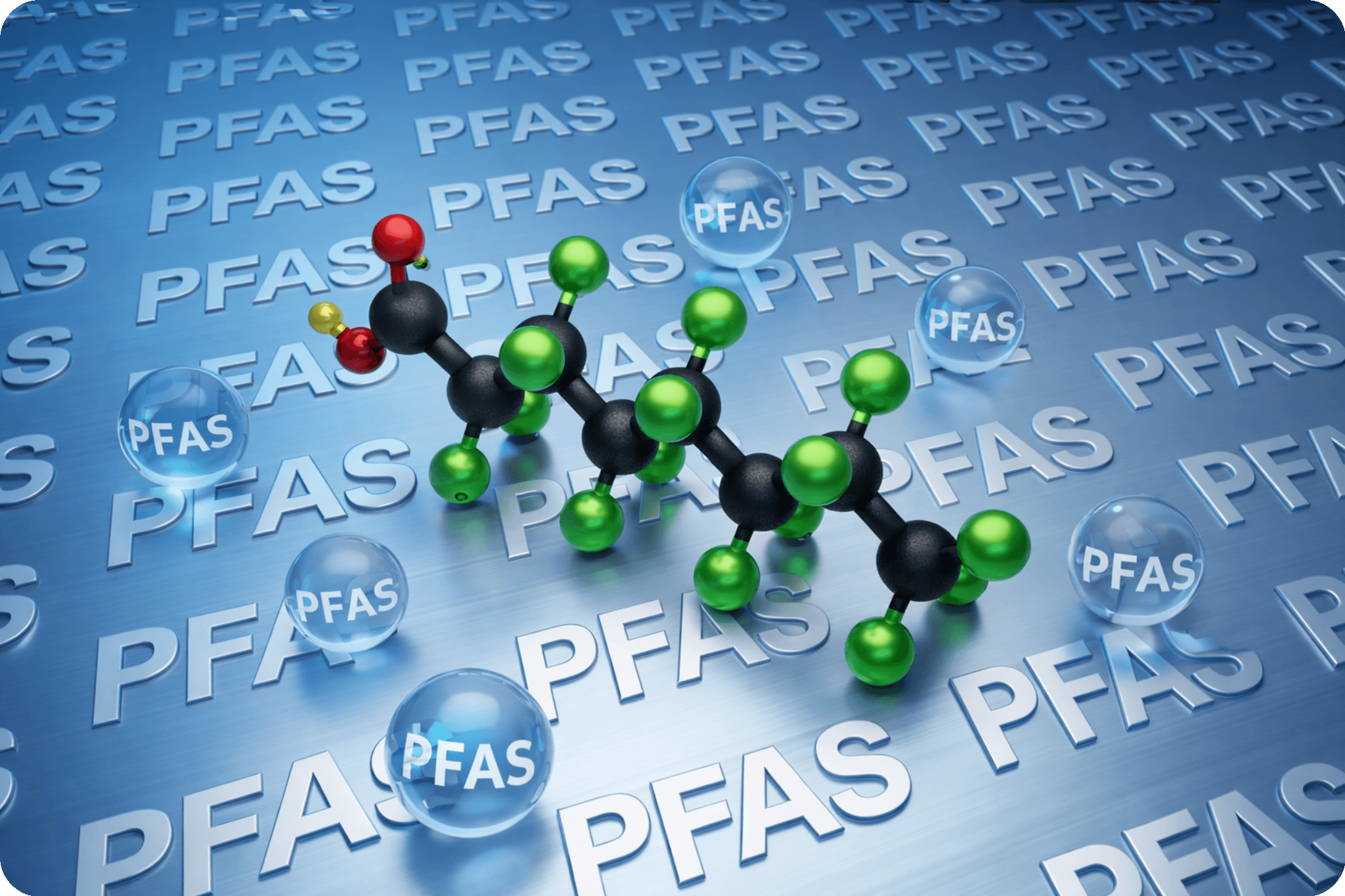
PFAS (per- and polyfluoroalkyl substances) are a group of man-made chemicals often referred to as
“forever chemicals” because they don’t break down easily over time.
They’ve been used for decades in everyday products like nonstick cookware, food packaging, and stain-resistant materials. Today, they’re also being detected more frequently in drinking water supplies.
For most people, tap water is one of the primary ways PFAS exposure can occur.
Source: EPA – Reducing PFAS in Your Drinking Water with a Home Filter
Why Should You Care About PFAS?
PFAS have become a growing focus for researchers and public health organizations because they can accumulate in the body over time.
Unlike many contaminants that break down or pass through quickly, PFAS are persistent. Ongoing exposure, even at low levels, can add up, which is why they are often referred to as “forever chemicals.”
Studies have linked certain PFAS compounds to potential health concerns, including impacts on immune response, cholesterol levels, and other long-term effects. Because of this, organizations like the EPA have introduced increasingly strict guidelines around PFAS in drinking water.
For many households, drinking water can be a consistent source of exposure. That’s why understanding how to reduce PFAS, especially in the water you drink and cook with, has become an important consideration.
Source: EPA – Our Current Understanding of Human Health and Environmental Risks from PFAS
Why PFAS Are Difficult to Remove
One of the challenges with PFAS is that they’re designed to resist heat, water, and oil. That durability is exactly what makes them difficult to remove through standard water treatment methods.
Many basic filtration approaches simply aren’t built to handle these types of contaminants, which makes choosing the right solution especially important.
Source: ITRC – PFAS Treatment Technologies
What Actually Works
Research from the EPA and other water quality organizations consistently points to a few technologies that are effective at reducing PFAS:
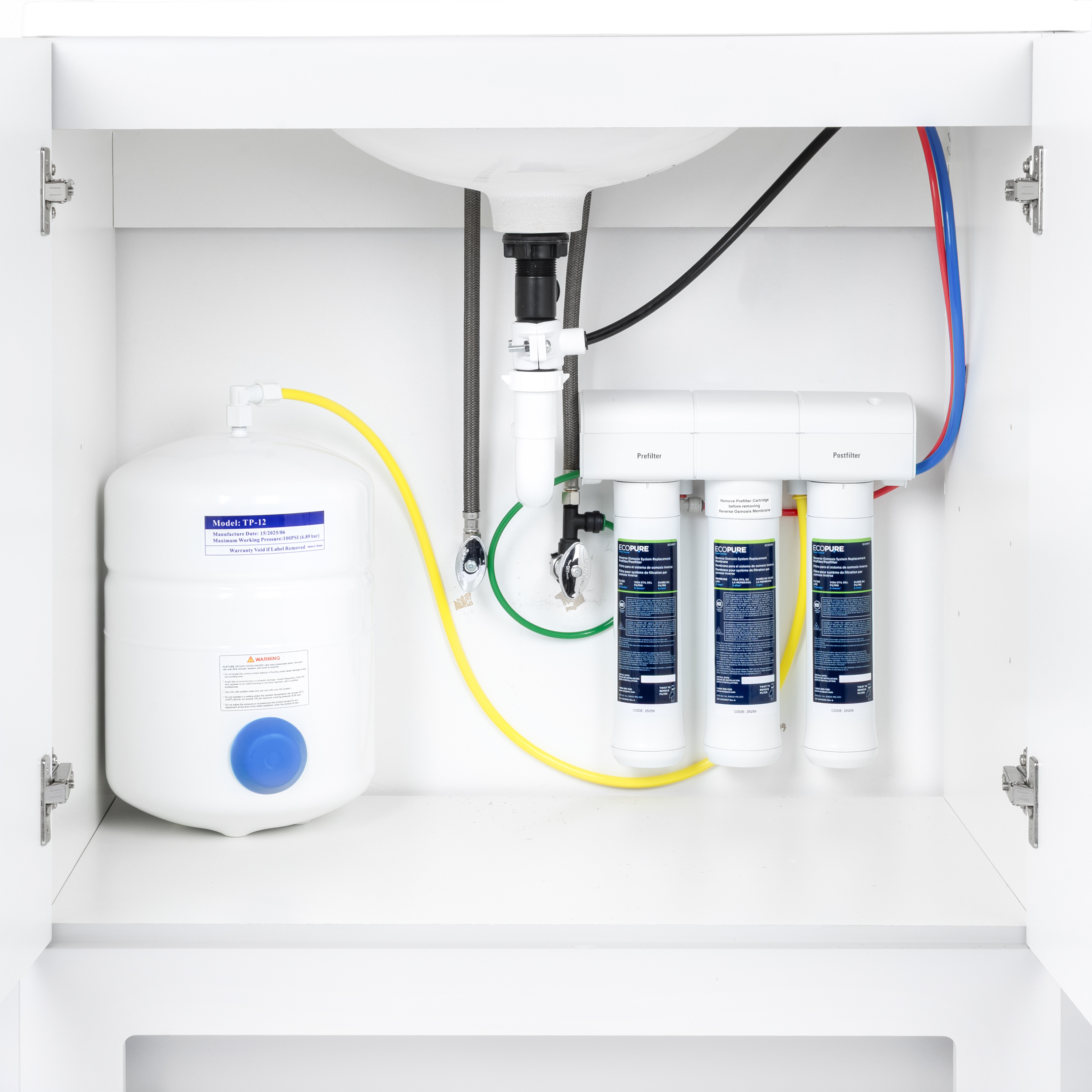
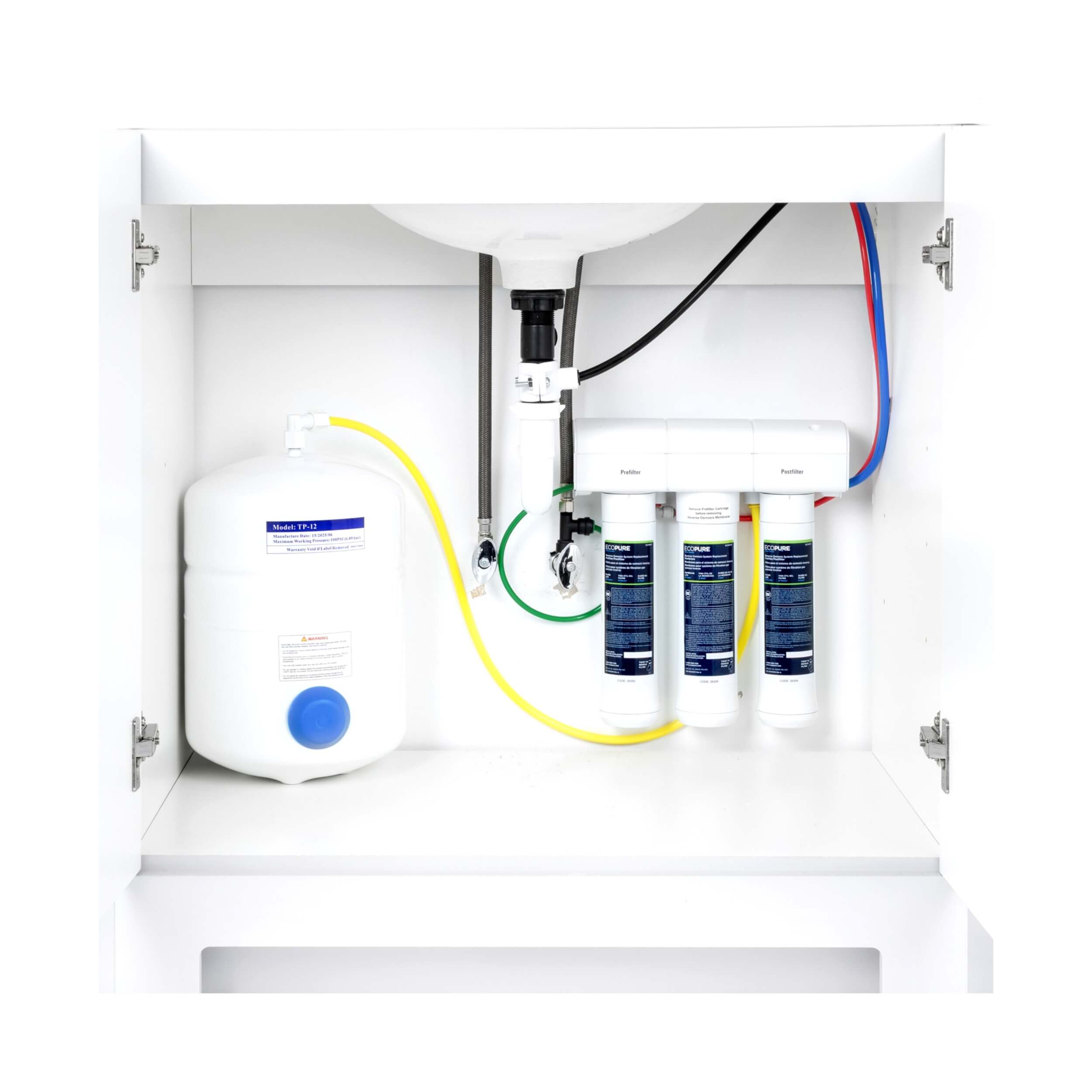
1. Reverse Osmosis (RO)
Widely considered one of the most effective methods. RO systems can significantly reduce a broad range of PFAS when properly installed and maintained.
Source: EPA – Identifying Drinking Water Filters Certified to Reduce PFAS
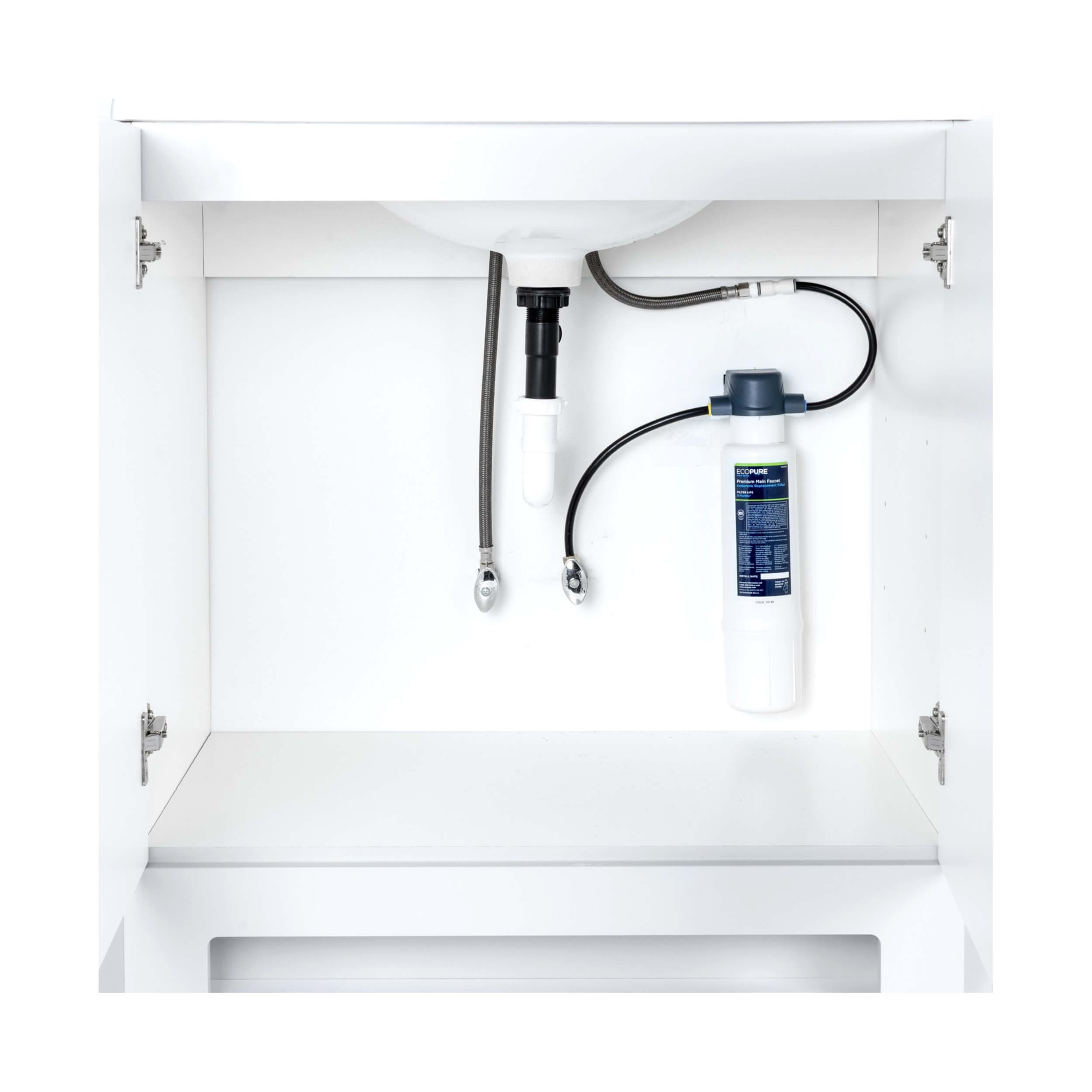
2. Activated Carbon (Carbon Block / GAC)
A common and effective approach, particularly when high-quality carbon filters are used and replaced as recommended.
Source: EPA – Reducing PFAS in Drinking Water with Treatment Technologies
What to Look for in a PFAS Filter
There’s a lot of information online about PFAS, but not all of it helps you make a decision. A few things matter most:
1. Look for NSF Certification (53 or 58)
Start by checking if the system is certified to NSF/ANSI 53 or NSF/ANSI 58 standards. This means the system has been independently tested to reduce specific contaminants.
2. Confirm PFAS Is Included in the Certification
Not all NSF/ANSI certified systems reduce PFAS, so it’s important to look closely at the claims.
Check that the certification specifically includes:
-
- PFOA reduction
- PFOS reduction
If these claims are listed, it indicates the system has been tested to reduce the most common types of PFAS.
Source: Penn State Extension – Home Water Treatment for PFAS
A Practical Way to Reduce PFAS at Home
For many households, one of the simplest and most effective steps is installing a certified drinking water system at the point of use, such as under the kitchen sink.
This approach allows you to target the water you drink and cook with, while improving taste and overall water quality at the same time.
Home filtration is widely recognized as one of the more accessible ways to reduce PFAS exposure.
Source: EWG – PFAS in Drinking Water: What You Need to Know
Choosing the Right System
The right solution depends on your needs:
- If you’re looking for the highest level of contaminant reduction, a reverse osmosis system is typically the best option.
- If you want a straightforward upgrade with minimal complexity, under-sink carbon filtration can be a strong choice.
- For broader coverage, some homeowners choose to combine whole-home filtration with a dedicated drinking water system.
Why Certification Matters
You’ll often see products advertised with phrases like “multi-stage” or “advanced filtration.” While those can sound impressive, they don’t necessarily guarantee performance.
What matters more is whether the system has been independently tested and certified. Organizations like NSF, IAPMO, and WQA provide standards that help verify real-world performance.
In short, tested performance is more meaningful than marketing claims.
Where to Start
Reducing PFAS exposure doesn’t have to be complicated, but it does require choosing a system built with proven, certified technology.
For households focused specifically on PFAS, reverse osmosis is one of the most effective solutions available. This type of system is widely recognized for its ability to significantly reduce PFAS and other dissolved contaminants at the point of use, making it a strong choice if your goal is the highest level of drinking water protection.
If you’re looking for a simpler option, carbon filtration can also play an important role in PFAS reduction. Some connect directly to your existing faucet line, providing a quick, easy-to-install solution that’s especially well-suited for renters or anyone who doesn’t want to modify their sink setup.
Either way, the most important step is choosing a system that is NSF-certified for PFAS reduction and built on proven filtration technology, so you know it’s delivering real, tested performance and not just marketing claims.